Generic filters
Exact matches only
Search in title
Search in content
EE Juntas tóricas viton

What is viton

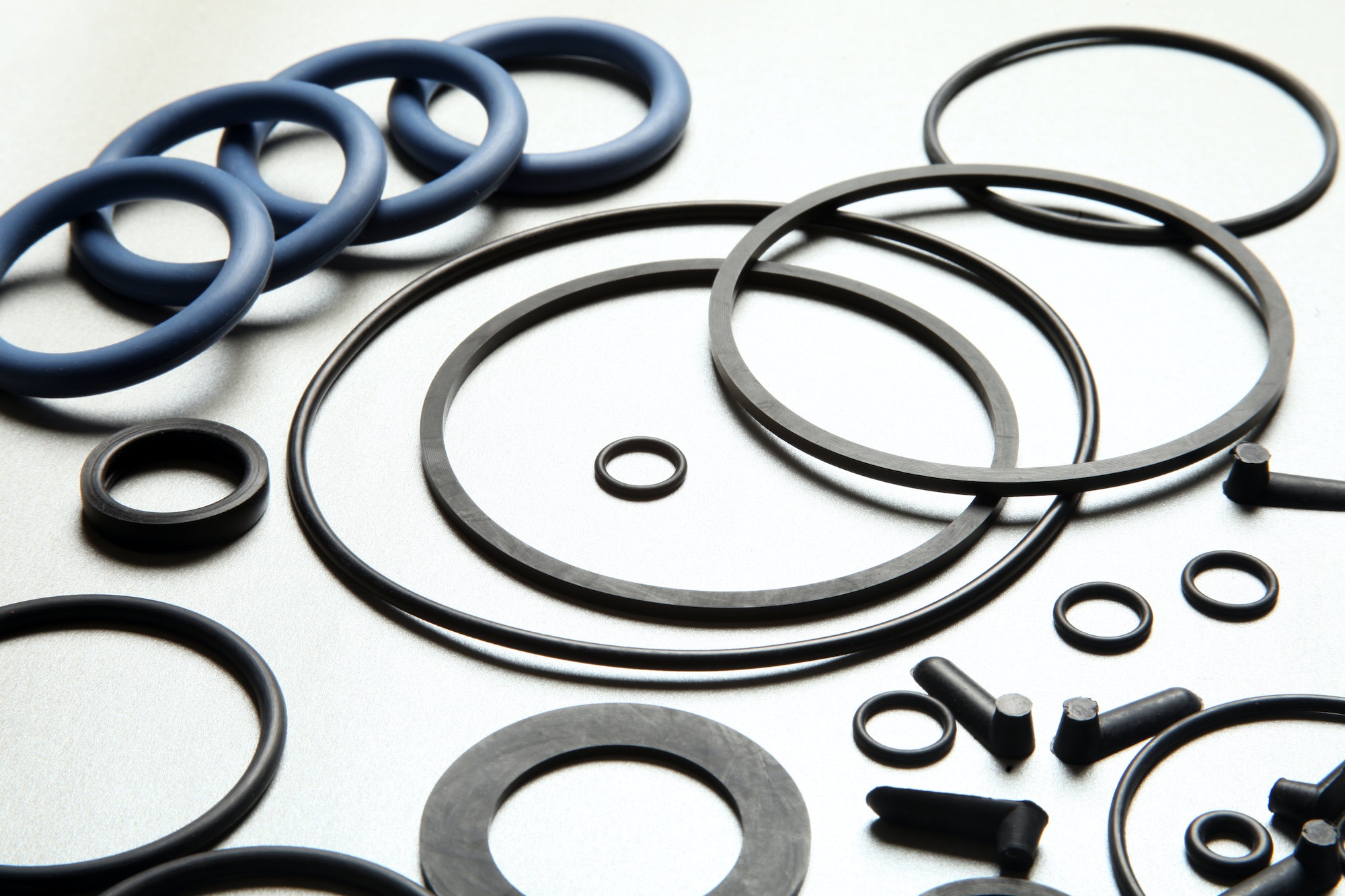
We are often asked about Viton O-rings. But what is Viton?

Viton® is a brand developed in the 50’s by Pont de Nemours company now DuPont and currently owned by Chemours in its division. of synthetic rubber and fluoropolymer elastomers. It is commonly used in O-rings and other molded or extruded products. This family of elastomers comprises terpolymer copolymers of tetrafluoroethylene (TFE), hexafluoropropylene (HFP) and vinylidene fluoride (VDF or VF2), vinylidene fluoride (VDF) and hexafluoropropylene (HFP), as well as specialty polymers containing perfluoromethylvinyl ether (PMVE).
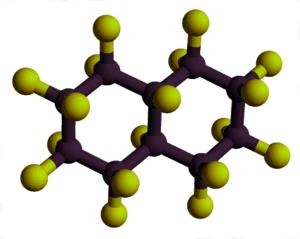
DuPont was the first company to actually commercialize this family of materials, so Viton® has become the name most commonly associated with this family of fluoropolymers. There are four families of Viton® polymers, and the fluorine content of these most popular Viton® grades ranges from 66 to 70%. The main grades are A (VF2/HFP dipolymers), which has a fluorine content of 66%; B (VF2/HFP/TFE terpolymers), which is commonly used for gaskets or seals and contains 68% fluorine; F (VF2/HFP/TFE Terpolymers), which is used in oxygenated automotive fuels and has a fluorine content of 70%; and finally, specialty types (such as GLT, GBLT, GFLT & Viton® Extreme), which are used in automotive and oil exploration applications.
Advantages of Viton®

Even in the harshest environments, subjected to extreme temperatures and aggressive chemicals, Viton® fluoroelastomers offer incredible performance and versatility. With this in mind, this resilient rubber is ideal for applications requiring strong O-rings, gaskets and seals. Viton® may be the most durable and highest performing rubber material you’ve never heard of. 

Compared to most other elastomers, Viton® withstands high temperatures better, while retaining its good mechanical properties. Resistance to oil and chemicals is also unaffected by high temperatures. Viton® compounds remain substantially elastic when exposed to laboratory air oven aging up to 204°C or intermittent exposures up to 316°C. Viton® grades also resist degradation from a wider variety of chemicals and fluids – including oils, fuels, lubricants and most mineral acids – than any other non-fluorinated elastomer. In simple terms, this means that it offers the best fluid resistance of any commercial rubber. Thanks to its low permeability to such a wide range of substances, Viton® is known to perform exceptionally well in oxygenated automotive fuels. However, the robust features of Viton® do not end there. Because they also exhibit good compressive strength, even at temperatures that would make other non-fluorinated elastomers brittle. It is also particularly resistant to atmospheric oxidation, sun, weather conditions, fungi and mold. In addition, Viton® has good electrical properties (in low voltage and low frequency applications) and low combustion characteristics.

What is Viton® used for?

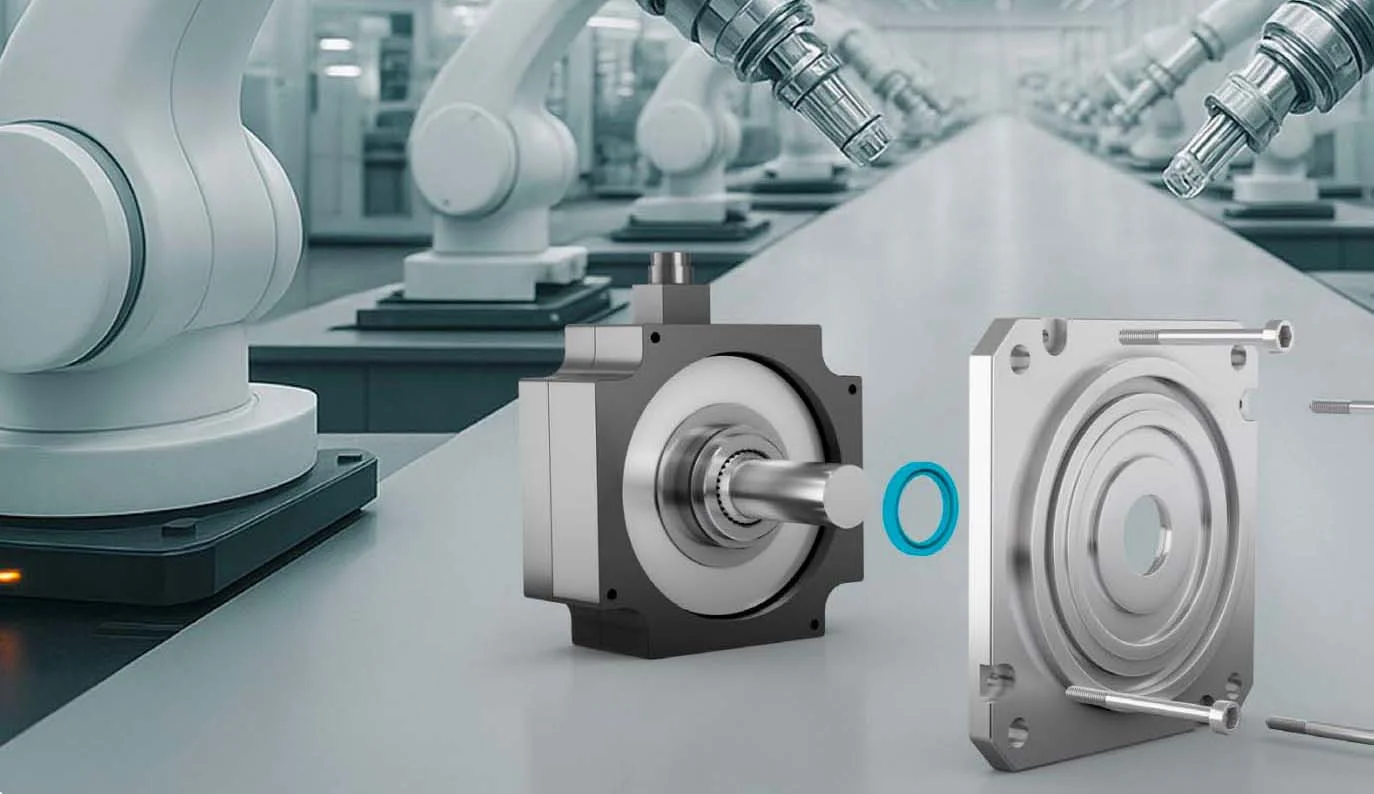
As mentioned above, Viton® is a durable material for O-rings, gaskets and seals, all of which can be specified and used in Seauto, either according to your own requirements or as standard parts. Viton® tubing is also commonly used in automotive and transportation fuel applications with high concentrations of biodiesel. Types B and F (FKM- GBL-S and FKM-GF-S) have been shown to be more resistant to acid biodiesel because this type of fuel is unstable and oxidizing. Therefore, as we have already discussed, there are many grades of Viton®, so it is still important to understand the application requirements and ensure that the correct grade is used.

Technological advances are exponentially advancing and new areas of application are emerging every day. These developments place new demands on the strength, durability and service life of machinery, technology and finished products. Small but critical components such as O-rings, seals, gaskets and hoses must be able to perform in the most extreme environments.

Viton fluoroelastomers, a special fluoroelastomer from the FKM family, allow engineers to push the limits. With superior temperature and chemical resistance, products made from high-performance Viton fluoroelastomers are chosen because they last longer and retain their flexibility, strength and shape. This durability and reliability translates into higher performance, less downtime and a competitive advantage for designers and engineers using Viton fluoroelastomer products.

High performance Viton fluoroelastomers applications

Dynamic joints

Fluoroelastomer Viton™ dynamic seals can meet any performance requirement.

Expansion joints

Viton™ fluoroelastomer expansion joints offer exceptional performance.

High voltage cables

Viton™ fluoroelastomer high-voltage cables offer durability and reliability.

Hoses and pipes

Viton™ fluoroelastomer hoses and tubing withstand harsh conditions.

Viton™ FreeFlow™ Extrusion Process Support

Viton™ FreeFlow™ extrusion process aids help extrusion systems run without interruption.

High performance seals

Customize static seal properties with Viton™ fluoroelastomers.

Wearables

Handheld devices made of Viton™ fluoroelastomers are durable and comfortable.

Difference between FKM and Viton

There is a lot of confusion about what its correct name is. This can lead to problems when ordering the correct material.

Fluoroelastomer is often referred to as FKM FPM or VITON™ after the brand name that manufactures it. You may see this rubber listed in different places with these different names, but they are all one and the same and manufactured by many industrial companies such as Trelleborg with some of the O-ring families

Despite being the designation for the same material, each name is the recognized designation for the fluoroelastomer by different organizations. This is where confusion arises among many people. To clarify things, here is a summary of what they are:

VITON is itself trademarked by the original developers, but Viton is also used as a general material name, regardless of who the manufacturer is.

FKM is the American ASTM standard abbreviated name for fluoroelastomer. This is the designation for about 80% of the fluoroelastomers defined by ASTM D1418.

FPM is the international abbreviation DIN/ISO for fluoroelastomer (standard 1629).

Compartir

News

State-of-the-art technology for spherical roller bearings RKB

They are suitable for both standard and specialized industrial applications, especially in harsh and demanding conditions.
Industrial Sealing and Components

EPDM with reduced carbon footprint

Thanks to our unrivaled R&D capabilities, Trelleborg's range of ethylene-propylene-diene monomer (EPDM) elastomers have a significantly lower environmental impact, while offering equivalent performance to traditional ...
Industrial Sealing and Components

Custom Stainless Steel Cylinders: Configure your Ideal Solution

At Seauto, we understand that each industrial application has unique challenges. That's why we offer you our specialized stainless steel cylinder configurator, specifically designed to ...
Industrial Sealing and Components

Trelleborg Zurcon® Glyd Ring® D pressure efficiency

Combining a new seal design and a specifically engineered material, Zurcon® Glyd Ring® D eliminates the risk of leakage effects under high pressure and provides ...
News

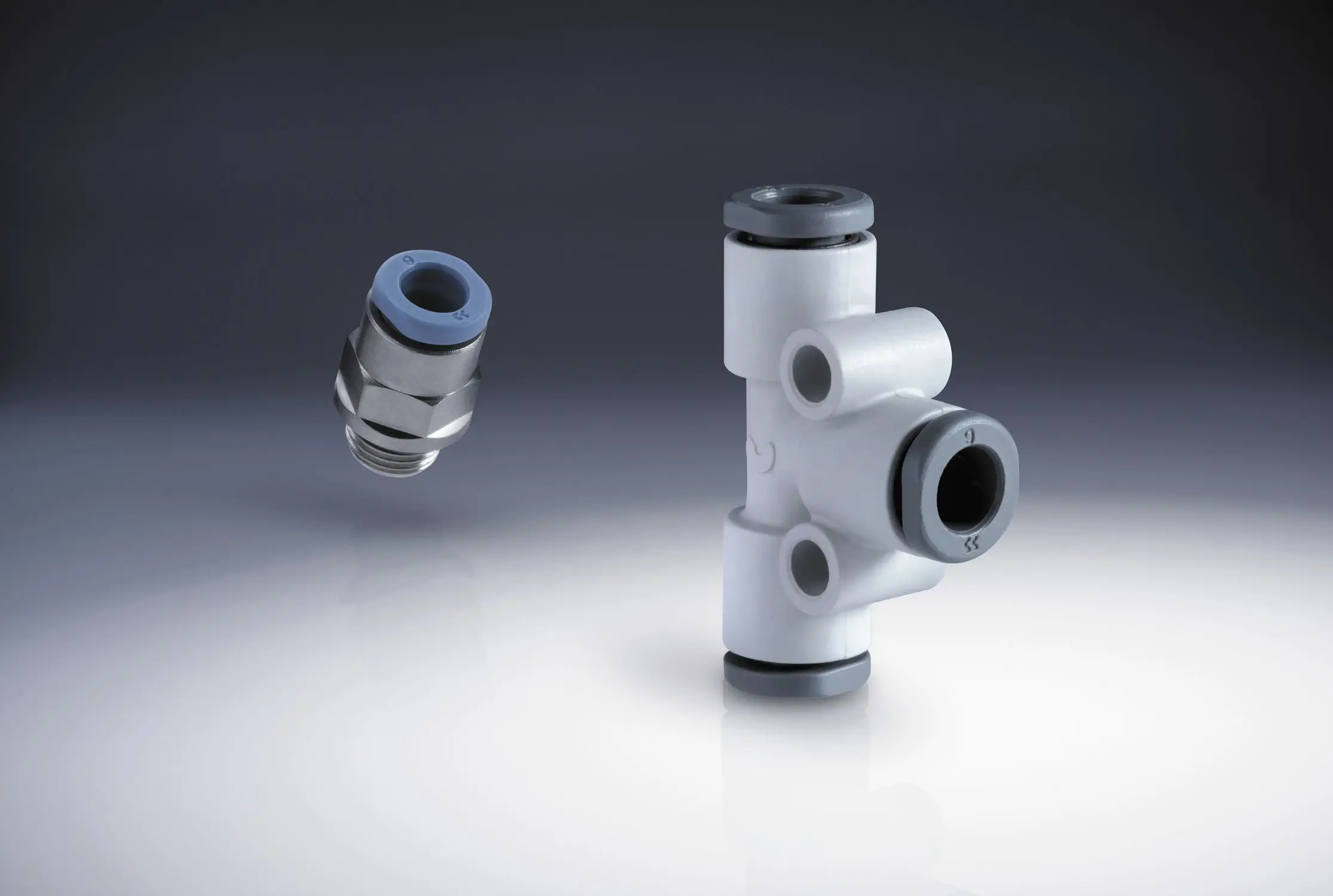
Camozzi GRIPfit: The future of push-in fittings

Camozzi Automation introduces GRIPfit, the new series of push-in fittings designed to combine efficiency, versatility and sustainability in multiple industrial sectors.
Industrial Sealing and Components

The advantages of PTFE

It is the basic characteristics of PTFE that offer a unique combination of advantages.
WeCreativez WhatsApp Support
Hello How can we help you?